Clinical expansion
Information about mucosal graft reconstruction for selected severe eyelid entropion.
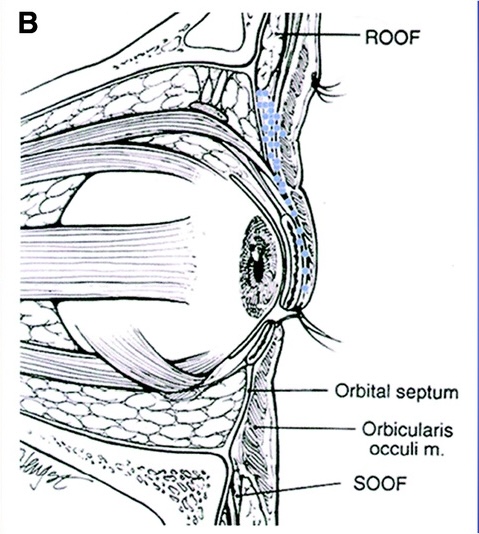
Severe entropion can turn the eyelid margin inward, allowing lashes or scarred tissue to irritate the eye and ocular surface.
Who may read this information: Patients with complex or recurrent entropion who need assessment of the eyelid margin, conjunctiva, tarsus, and ocular surface.
How the technique is considered: A buccal mucosal graft uses tissue from the inside of the cheek to replace or support scarred mucosal surfaces in selected cases. The operation is tailored to the location and severity of the contracture.
When entropion becomes reconstructive
Mild eyelid turning may have several treatment options. Severe or scar-related entropion can require replacement of shortened or damaged lining tissue.
The priority is to protect the cornea while restoring a stable eyelid margin.
Using oral mucosa
Buccal mucosa can provide lining tissue in selected cases. Patients should understand donor-site care, staged treatment, and the possibility of persistent ocular surface symptoms.
Potential benefits and limitations
- Provides lining tissue for selected scarred eyelids
- Addresses both eyelid position and ocular surface protection
- Supports reconstructive planning for complex disease
Limitations: Severe eyelid disease may require staged or combined reconstruction. Recurrence, graft changes, and ocular surface symptoms remain possible.
Recovery: Recovery includes care of the eyelid and cheek donor site. Dr. Mancini reviews diet, oral hygiene, wound care, and eye protection when applicable.
Consultation: The consultation reviews previous eyelid surgery, trauma, inflammatory disease, scarring, corneal symptoms, and treatment goals.
Questions patients ask
Frequently asked questions
What symptoms can entropion cause?
Entropion may cause tearing, redness, foreign-body sensation, light sensitivity, and corneal irritation from lashes or the eyelid margin.