Before
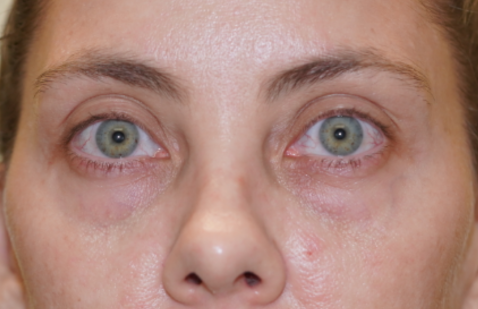
"Long" appearing lower eyelidswith fat prolapse and tear trough hollowing
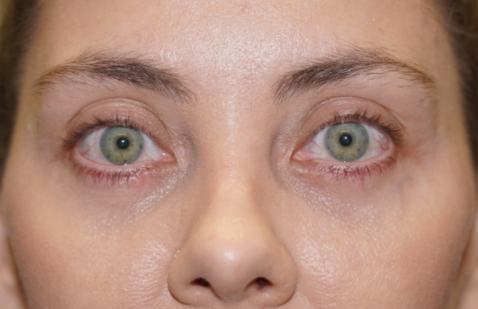
Surgery involves rejuvenation of the lower eyelid and cheek region often involving a combination of fat sculpting and repositioning and excess skin removal and/or resurfacing.
Dr. Mancini approaches lower blepharoplasty on an individualized patient basis. Fat sculpting and repositioning are performed with a small hidden incision on the back surface of the eyelid and is often combined with small amounts of skin removal with a small incision camouflaged below the lower eyelid lash line. Resurfacing of the thin eyelid skin with laser or chemical peeling can be performed simultaneously if needed to improve the skin quality.
Example : 44yo female before and after lower blepharoplasty with fat transposition
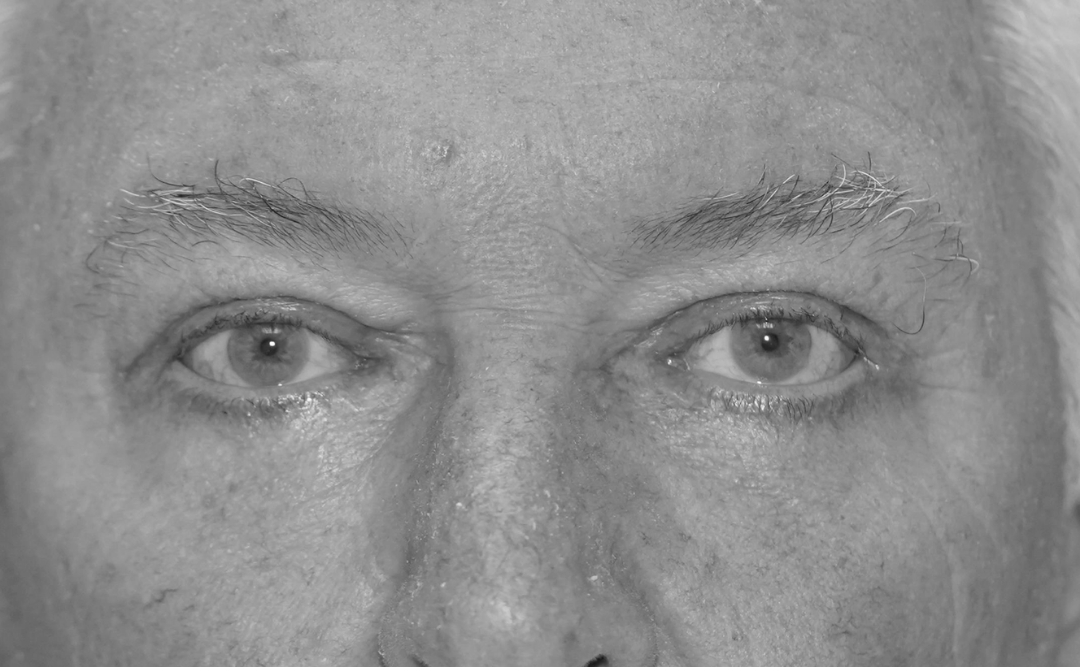
Lower Blepharoplasty
Lower blepharoplasty may be appropriate for individuals who experience under-eye puffiness, hollowing, or loose skin that contributes to a fatigued or aged appearance. Many patients seek this procedure when non-surgical treatments fail to address persistent under-eye bags or deep tear troughs.
While it is most commonly performed in patients in their 40s and beyond, younger individuals with hereditary fat herniation or volume loss can also benefit. Ideal candidates are in good general health, do not smoke, and have realistic expectations about the outcomes of surgery.
During consultation, Dr. Mancini carefully evaluates each patient's anatomy, lifestyle, and goals to determine whether lower blepharoplasty is the most appropriate treatment option.
Under-eye bags are commonly caused by a combination of herniated fat, skin laxity, volume loss, and age-related changes in the structures supporting the lower eyelid. A lower blepharoplasty consultation helps determine which factors are contributing to your under-eye appearance.
Lower blepharoplasty can improve some fine lines and skin laxity, but it is primarily designed to address lower eyelid bags, excess skin, and contour. Additional treatments such as chemical peels or laser resurfacing may be recommended for optimal skin texture improvement.
Most patients can resume normal activities within 1 to 2 weeks, with swelling gradually improving over several weeks. The exact recovery timeline depends on the technique used, whether skin resurfacing or another procedure is included, and your individual healing response.
The goal of lower eyelid surgery is not to change your identity or facial expression, but to restore a more rested, refreshed look. Dr. Mancini plans treatment around your natural anatomy and the transition between the lower eyelid and cheek.
In many cases, Dr. Mancini uses fat repositioning techniques to soften the transition between the lower eyelid and cheek. The appropriate approach depends on whether the primary concern is excess fat, hollowing, skin laxity, or a combination of these changes.
While the aging process continues, lower blepharoplasty results are long-lasting and often remain noticeable for many years. The longevity of results varies with anatomy, skin quality, lifestyle, and ongoing aging.
Fat transposition involves repositioning existing eyelid fat to restore volume and smooth hollows beneath the eyes. Rather than simply removing all fat, this lower blepharoplasty technique can improve the contour between the lower eyelid and cheek when appropriate.
Many patients are candidates for transconjunctival lower blepharoplasty, which places the incision inside the eyelid and avoids a visible external skin incision. An external incision below the lower eyelashes may still be helpful when loose skin also needs to be addressed.
With dual board-certification in ophthalmology and oculoplastic surgery, Dr. Mancini brings refined surgical expertise and an aesthetic sensibility to eyelid and facial rejuvenation. Serving Beverly Hills, Los Angeles, and Shanghai, his practice combines advanced techniques, global experience, and a commitment to natural-looking, sustainable results.
Request to Book
Contact Us
Learn more about how Dr. Mancini can help you achieve refined, natural beauty.