Clinical expansion
An overview of a graft-stabilization technique for selected periocular skin graft cases.
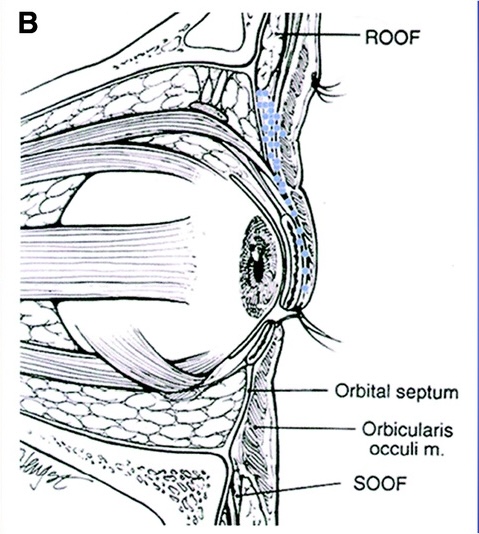
Skin grafts around the eye need close contact with the recipient bed while delicate eyelid and facial tissues heal.
Who may read this information: Patients requiring periocular reconstruction after tissue loss, trauma, tumor removal, or another reconstructive procedure.
How the technique is considered: Cyanoacrylate glue casting can create a temporary stabilizing support over a selected graft. The method is considered according to graft location, wound condition, skin quality, and the need to protect the eye.
Why graft stabilization matters
A graft must remain in contact with a healthy recipient bed while new blood supply develops. Movement, fluid, infection, or pressure can affect incorporation.
Periocular reconstruction adds the need to protect eyelid closure and the ocular surface.
A temporary support
Glue casting is selected only when its material and shape are appropriate for the wound. The plan includes removal, monitoring, and alternative stabilization options.
Potential benefits and limitations
- Supports contact between a selected graft and recipient bed
- Can be shaped for delicate periocular anatomy
- May simplify stabilization in selected reconstructive cases
Limitations: The method is not appropriate for every graft or wound. Healing depends on vascularity, infection control, tissue quality, and patient factors.
Recovery: Wound care and follow-up are important while the graft incorporates. Patients receive instructions about cleaning, activity, and signs of infection or graft compromise.
Consultation: The reconstructive consultation reviews the defect, donor site, eye protection, wound condition, and expected scar care.
Questions patients ask
Frequently asked questions
What determines whether a skin graft will heal?
Healing depends on the recipient bed, blood supply, infection control, graft contact, tissue quality, and the patient's overall health.