Before
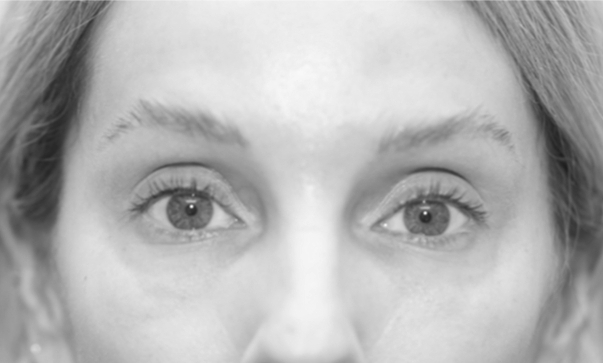
"Long" appearing lower eyelidswith irregular filler
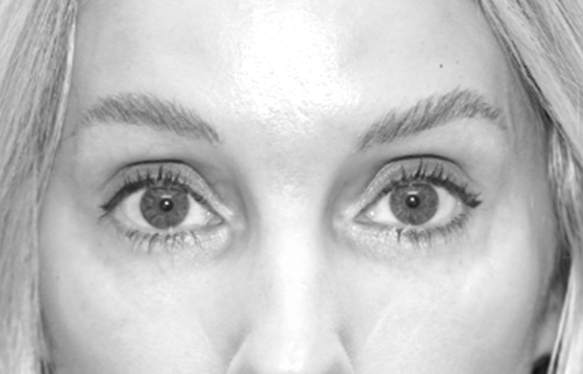
Botox and dermal fillers in combination can often nicely rejuvenate the eye area with the advantage of minimal downtime as a "lunchtime" procedure.
Dr. Mancini has lectured worldwide and extensively published in the medical literature techniques for non-surgical periocular rejuvenation using a combination of botox and dermal fillers. The goal is a natural, not "overdone" look.
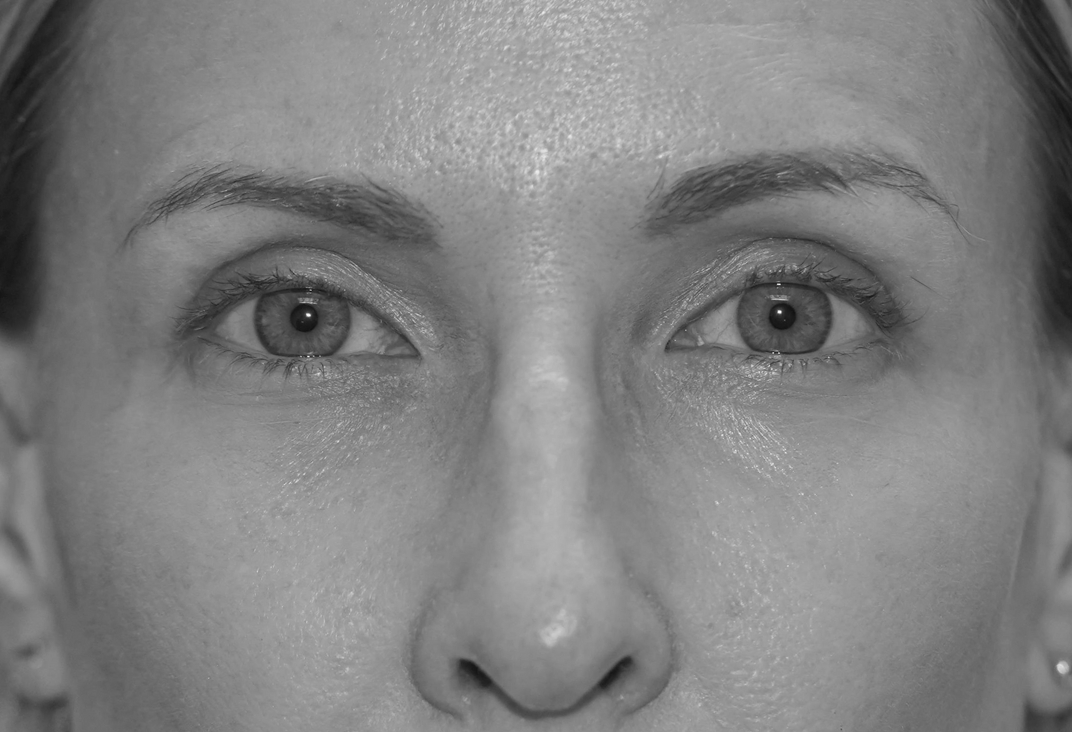
Example : 36yo female with a history of prior lower eyelid filler s/p Bilateral Lower Eyelid Blepharoplasty with fat transposition and botulinum toxin
Non-Surgical Periocular Rejuvenation
Non-surgical periocular rejuvenation is well-suited for individuals experiencing early signs of aging around the eyes-such as fine lines, volume loss, and subtle hollowness-who are not yet ready for or do not require surgical intervention. It is an excellent option for patients looking to refresh their appearance with minimal downtime, while maintaining a natural look and preserving facial expression.
This approach also benefits those who have previously undergone eyelid surgery and want to maintain or fine-tune their results over time. Patients often choose non-surgical treatments to address under-eye shadows, tear trough hollows, or mild skin texture changes, especially when they prefer a gradual, maintenance-oriented approach to rejuvenation.
Dr. Mancini tailors each non-surgical treatment plan with the same precision and aesthetic sensitivity that defines his surgical work-making it an ideal choice for those who value subtle, high-quality results.
Depending on your anatomy and goals, treatment may include botulinum toxin, dermal fillers, chemical peels, laser treatments, or skin-tightening procedures. Dr. Mancini combines or selects treatments carefully to refresh the eye area while preserving natural expression.
Botulinum toxin, commonly known by the brand name Botox, can soften crow’s feet and reduce dynamic wrinkles caused by muscle movement around the eyes. Treatment is tailored to your facial movement so the result remains natural rather than frozen.
Tear trough fillers restore carefully selected amounts of volume beneath the eyes to reduce hollowness and shadowing. Because the under-eye area is delicate, Dr. Mancini first evaluates whether filler, fat repositioning, skin treatment, or surgery is the safest and most effective option.
Results vary by treatment, product, treatment area, and individual metabolism, but many non-surgical results last between 3 months and 2 years. Dr. Mancini will explain the expected duration and maintenance plan for your recommended treatment.
Most treatments involve little to no downtime, although temporary redness, swelling, bruising, or tenderness can occur. Downtime depends on whether your plan includes injectables, resurfacing, a chemical peel, or another treatment.
In some patients, non-surgical treatments can address early signs of aging or improve selected concerns without surgery. Others may achieve more complete or longer-lasting results with surgical intervention, particularly when excess skin, significant fat herniation, or tissue descent is present.
Periocular treatments require detailed knowledge of the eyelids, orbit, facial anatomy, and ocular structures. When performed by a qualified oculoplastic surgeon after an appropriate evaluation, treatments can be selected and administered with precision; risks, alternatives, and expected results should be discussed during consultation.
Dr. Mancini evaluates your eyelid and facial anatomy, skin quality, goals, and concerns to create a personalized treatment plan. He will explain whether injectables, resurfacing, skin care, surgery, or a combination approach is best suited to your needs.
With dual board-certification in ophthalmology and oculoplastic surgery, Dr. Mancini brings refined surgical expertise and an aesthetic sensibility to eyelid and facial rejuvenation. Serving Beverly Hills, Los Angeles, and Shanghai, his practice combines advanced techniques, global experience, and a commitment to natural-looking, sustainable results.
Request to Book
Contact Us
Learn more about how Dr. Mancini can help you achieve refined, natural beauty.