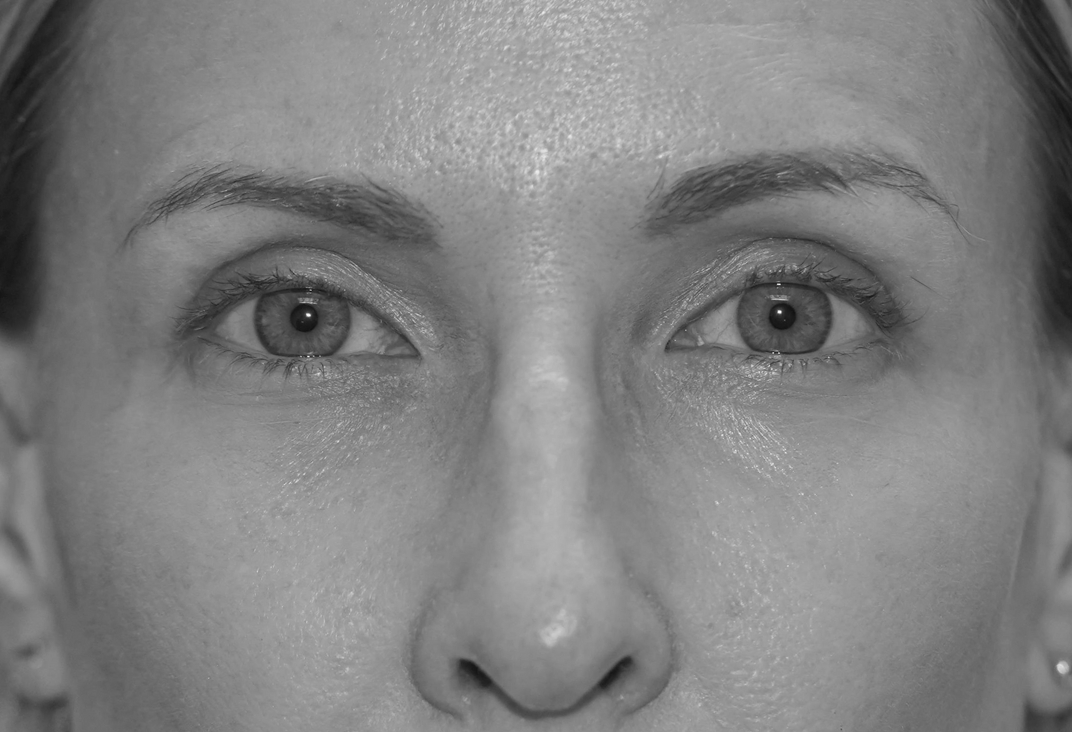
Before
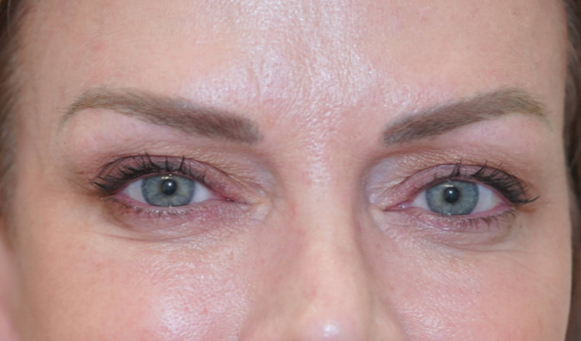
Irregular platform showwith redundant crepey skin
Redundant lower eyelid skin
Surgery involves rejuvenation of the upper eyelids often involving removal of excess skin and sculpting of eyelid fat pads.
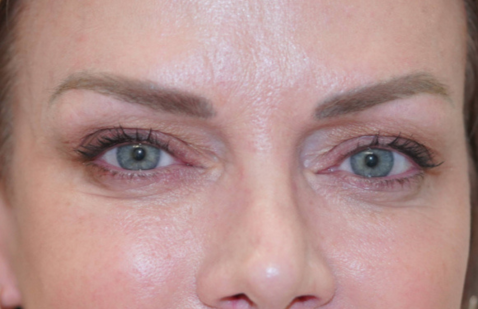
Dr. Mancini approaches upper blepharoplasty on an individualized patient basis. Removal of excess upper eyelid skin is often combined with eyelid fat sculpting and repositioning in an effort to create a natural, youthful upper eyelid appearance.
Example: 51yo female before and after Upper and Lower Eyelid Blepharoplasty
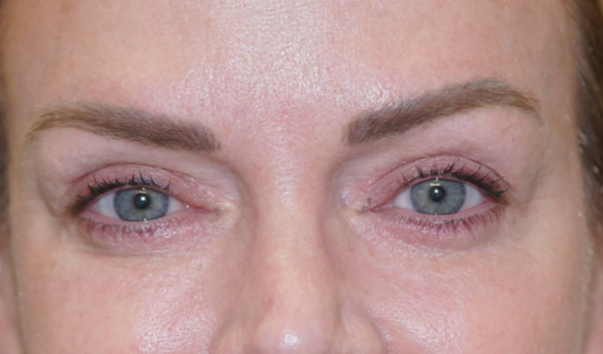
Upper Blepharoplasty
Upper blepharoplasty may be appropriate for individuals who experience persistent heaviness or sagging of the upper eyelids, often leading to visual fatigue or difficulty with peripheral vision. Patients who find themselves raising their eyebrows to see more clearly or who feel that their eyelids make them appear tired or older than they feel may benefit from this procedure.
Patients who find themselves raising their eyebrows to see more clearly or who feel that their eyelids make them appear tired or older than they feel may benefit from this procedure. Ideal candidates are generally in good overall health and have realistic expectations about the outcomes of surgery.
Upper blepharoplasty may be appropriate for patients with excess upper eyelid skin, eyelid heaviness, or visual obstruction caused by drooping skin. During a consultation, Dr. Mancini evaluates your eyelid anatomy, brow position, vision concerns, and aesthetic goals to determine whether upper eyelid surgery is appropriate for you.
When excess upper eyelid skin obstructs the visual field, upper blepharoplasty can improve peripheral vision while also creating a more open, refreshed appearance. The functional benefit depends on the amount and position of the skin and should be assessed during an examination.
Most upper blepharoplasty procedures take approximately 45 minutes to 1 hour, depending on the complexity of the case and whether eyelid fat sculpting or another procedure is performed at the same time. Your individualized treatment plan will include more specific timing information.
Most patients tolerate upper blepharoplasty well. Discomfort is typically mild and managed with post-operative instructions and appropriate medication when needed; bruising, swelling, and tightness are more common early recovery experiences.
Bruising and swelling are expected early in recovery and usually improve substantially over the first 1 to 2 weeks, with continued refinement over time. Dr. Mancini will provide individualized instructions about activity, wound care, and when to return for follow-up.
Upper blepharoplasty incisions are carefully placed within the natural upper eyelid crease, where they are typically well concealed as they heal. Scar appearance varies by patient, and Dr. Mancini will review incision placement and aftercare during your consultation.
Results from upper blepharoplasty are long-lasting, although the natural aging process continues. Dr. Mancini focuses on a refined result that remains natural over time while preserving your individual expression.
Yes. Upper blepharoplasty can often be combined with ptosis repair, a brow lift, lower blepharoplasty, or non-surgical treatments when appropriate. Combining procedures is considered only after evaluating your anatomy, health, goals, and expected recovery.
With dual board-certification in ophthalmology and oculoplastic surgery, Dr. Mancini brings refined surgical expertise and an aesthetic sensibility to eyelid and facial rejuvenation. Serving Beverly Hills, Los Angeles, and Shanghai, his practice combines advanced techniques, global experience, and a commitment to natural-looking, sustainable results.
Request to Book
Contact Us
Learn more about how Dr. Mancini can help you achieve refined, natural beauty.