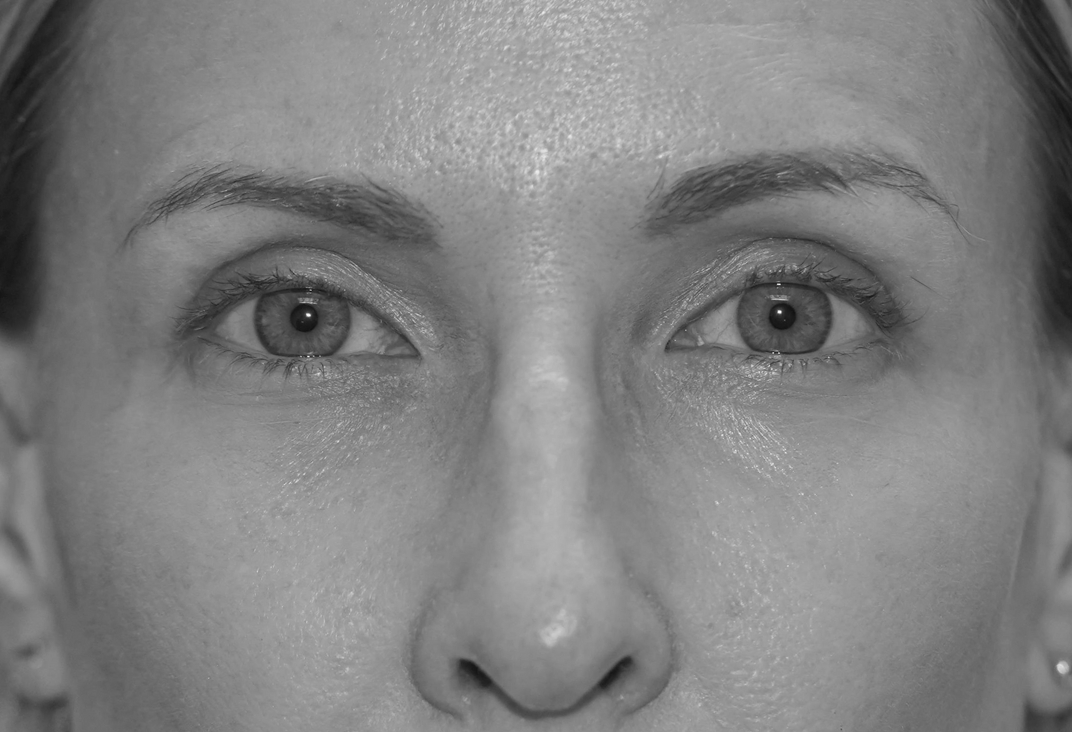
Before
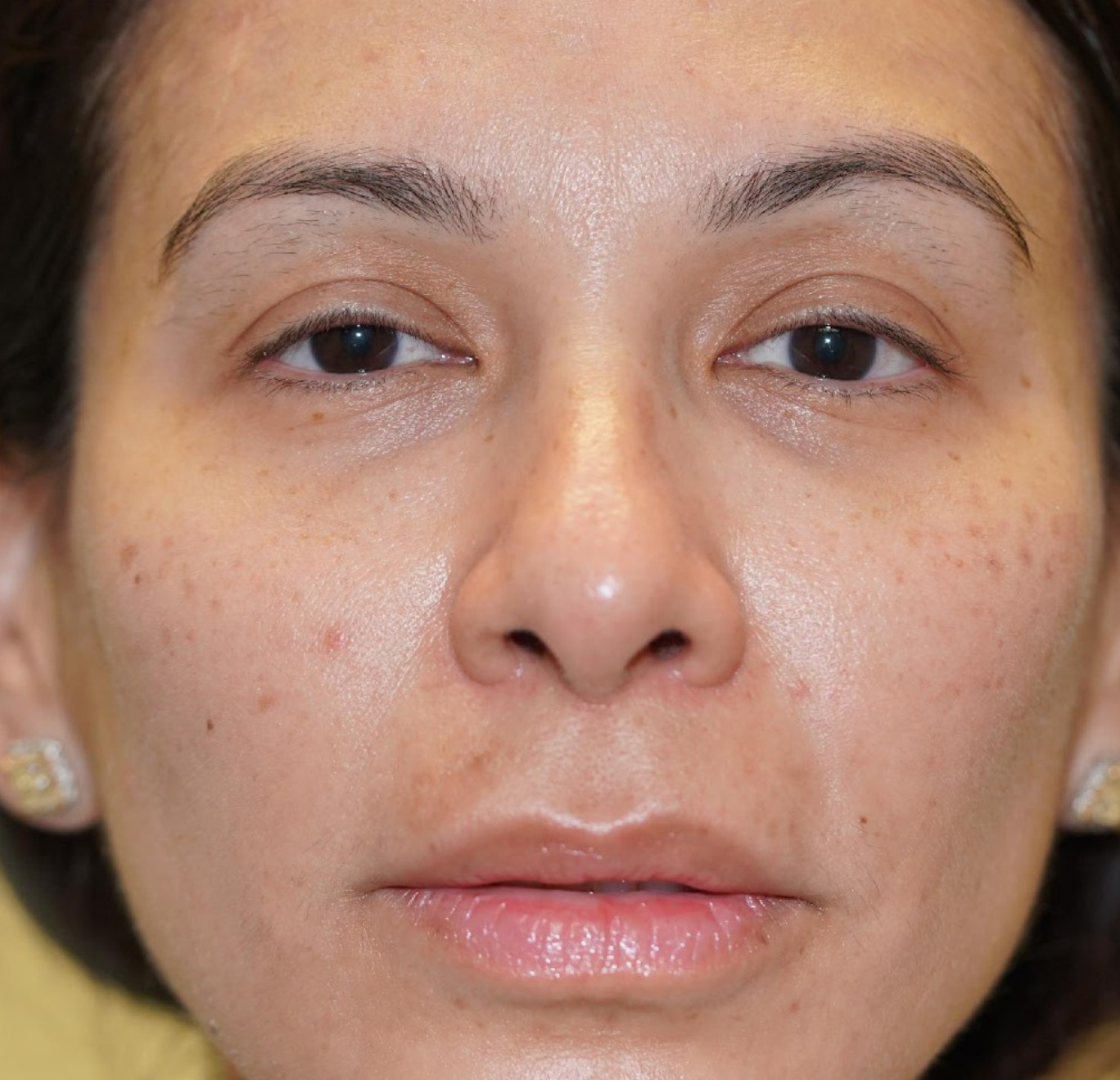
Volume deficient midface
Midface rejuvenation typically centers around volume restoration and can be achieved with a combination of surgical and non-surgical approaches.
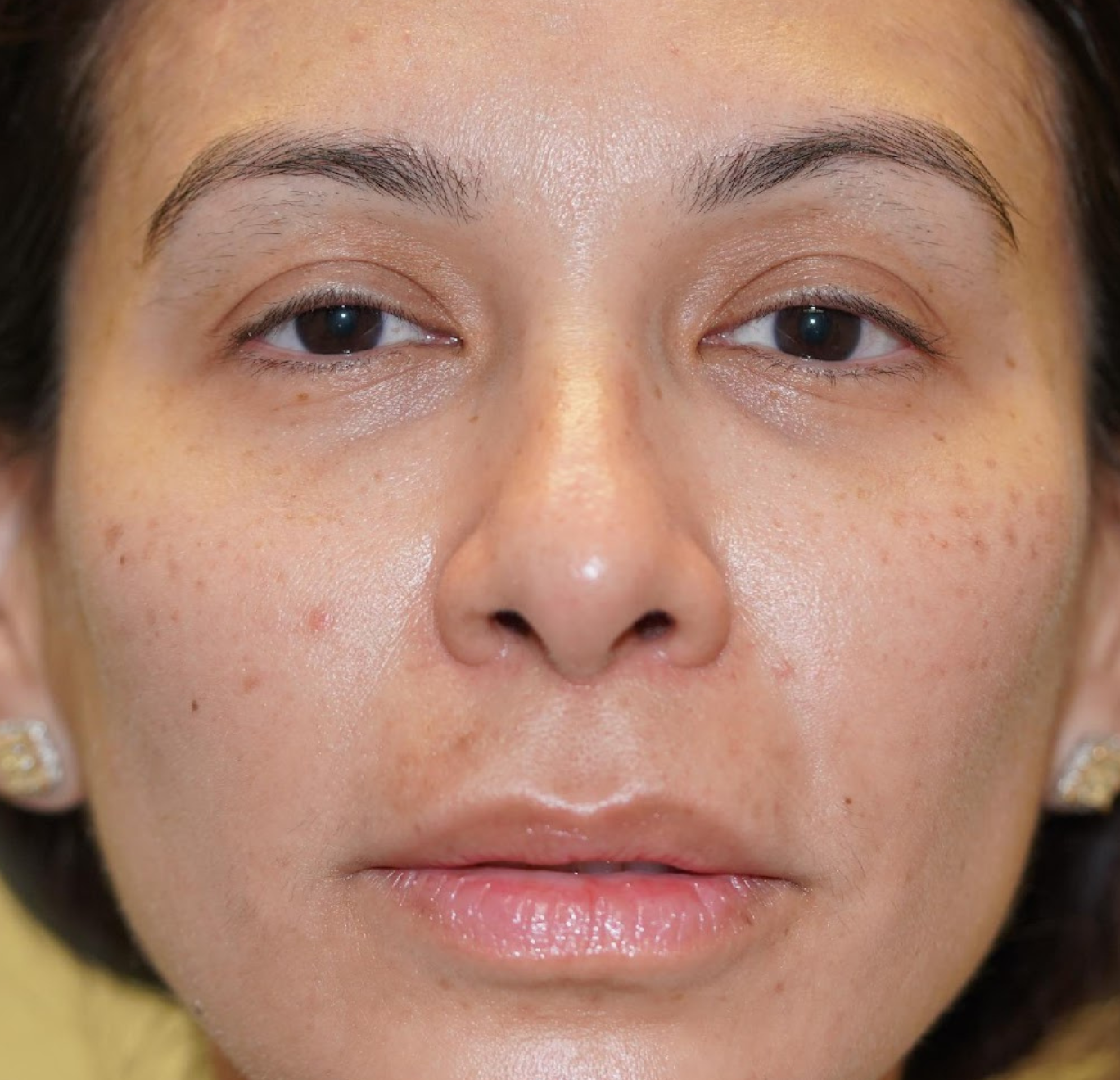
Dr. Mancini approaches midface rejuvenation on an individualized patient basis with goals typically revolving around volume restoration. This can involve surgical midface lifting through a hidden incision on the back surface of the lower eyelid often in combination with volume restoration via fat grafting. Non-surgical volume restoration with in-office fillers is also a consideration in some patients.
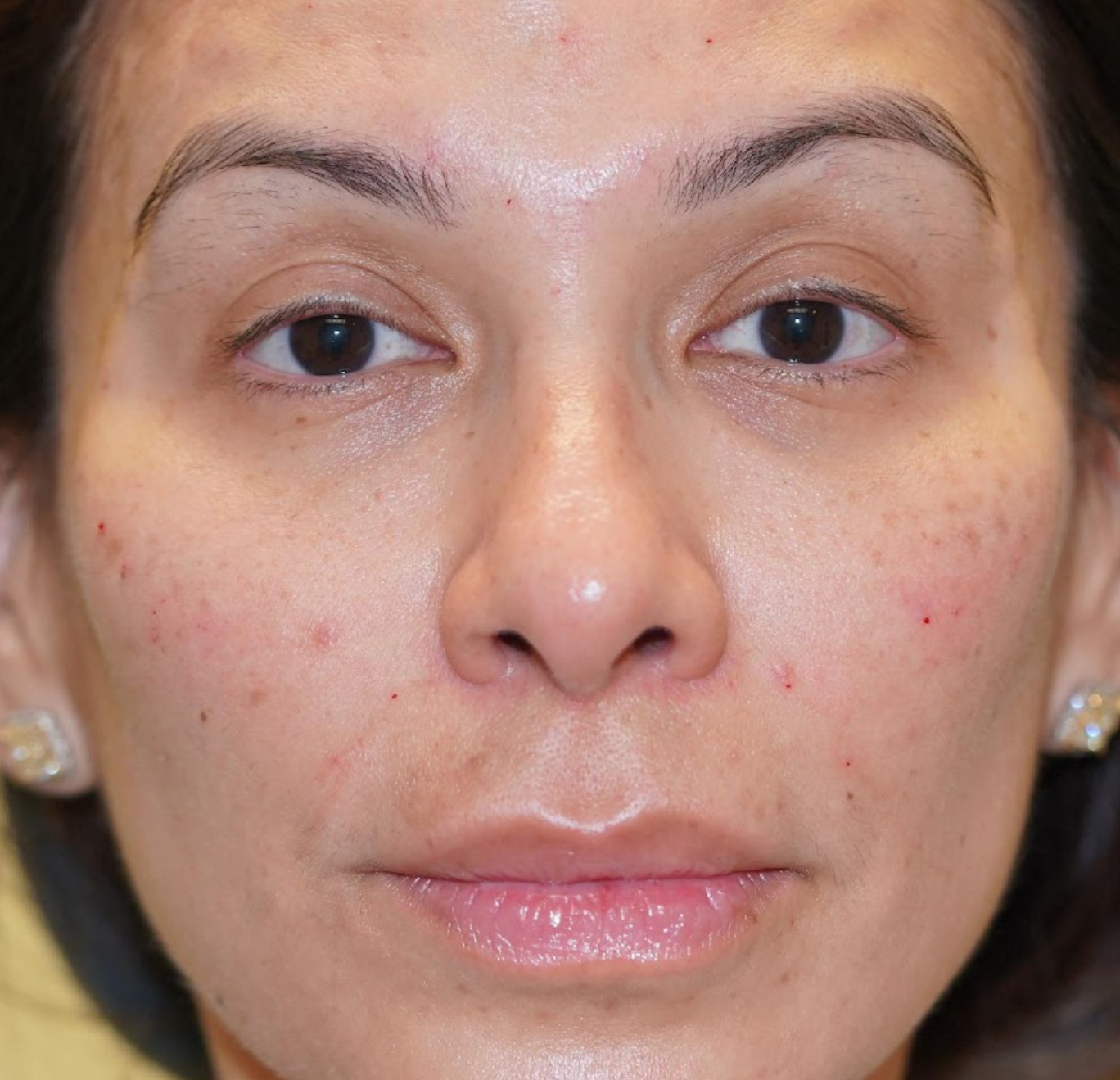
Example : 43yo female before and after Cheek and Nasolabial Fold Filler and Botox
Midface Lift
A midface lift is ideal for patients who have experienced volume loss and descent of the cheek fat pads, often visible as a flattening of the cheeks, deepening of the smile lines, or an elongated lower eyelid. These changes can occur as early as the 40s and become more pronounced over time.
This procedure may be recommended as a stand-alone treatment or combined with lower blepharoplasty for patients with a hollowed or tired appearance beneath the eyes. Ideal candidates are in good health, have realistic expectations, and seek to restore facial support without the use of excessive fillers or full-face lifting procedures.
During consultation, Dr. Mancini carefully evaluates facial structure, skin elasticity, and soft tissue volume to determine whether a midface lift-or a customized combination approach-is most appropriate.
A midface lift repositions the cheek tissues to restore volume and support beneath the eyes. It is designed for patients whose concerns center on cheek descent, under-eye support, or a weakened transition between the lower eyelid and midface.
A midface lift specifically targets the cheeks and lower eyelid region, while a facelift generally focuses on the lower face and neck. The best procedure depends on where you are experiencing volume loss, tissue descent, and changes in facial contour.
A midface lift may address cheek descent, under-eye hollowness, deepening nasolabial folds, and loss of facial volume. During consultation, Dr. Mancini determines whether surgical lifting, fat grafting, fillers, or a combination approach is most appropriate.
The goal is to restore youthful facial proportions while maintaining natural expression, not to create a pulled or overfilled appearance. Dr. Mancini tailors the amount of lifting and volume restoration to your facial anatomy.
Yes. A midface lift and lower blepharoplasty are often performed together when both lower eyelid rejuvenation and cheek support are needed. Combining procedures may allow the lower eyelid and cheek transition to be addressed as one connected area.
Midface lift results are typically long-lasting and age gradually over time. Longevity varies with anatomy, skin quality, lifestyle, and the natural aging process.
The answer depends on your anatomy and goals. Some patients benefit from fillers or fat grafting, while others achieve better support and contour through surgical repositioning; Dr. Mancini will explain the tradeoffs during consultation.
Most patients experience swelling and bruising for 1 to 2 weeks, with continued improvement thereafter. Recovery varies depending on whether a midface lift is combined with lower blepharoplasty or another procedure.
With dual board-certification in ophthalmology and oculoplastic surgery, Dr. Mancini brings refined surgical expertise and an aesthetic sensibility to eyelid and facial rejuvenation. Serving Beverly Hills, Los Angeles, and Shanghai, his practice combines advanced techniques, global experience, and a commitment to natural-looking, sustainable results.
Request to Book
A brow lift elevates and contours the eyebrows to address brow descent, upper-face heaviness, and a tired or strained facial expression. The goal is to restore a natural brow position while preserving your individual expression.
Many patients have both brow descent and excess upper eyelid skin. Dr. Mancini evaluates the brows, eyelids, forehead, and visual field together to determine whether a brow lift, blepharoplasty, or combined treatment best addresses the source of upper-face heaviness.
Modern brow lift techniques focus on restoring a natural brow position rather than over-elevating the brows. Dr. Mancini plans the amount and direction of lift around your existing anatomy to avoid an overly surprised appearance.
Brow lift surgery may improve forehead lines and frown lines while repositioning the brows, although it is not designed to eliminate every wrinkle. Your consultation will address whether surgery, neuromodulators, resurfacing, or a combination approach is most appropriate.
Brow lift results are long-lasting, though natural aging continues and brow position may change gradually over time. The longevity of results depends on anatomy, skin quality, technique, and other individual factors.
Yes. A brow lift and blepharoplasty are frequently evaluated together because brow descent and excess eyelid skin can both contribute to upper-face heaviness. The procedures may be combined when doing so supports the patient’s functional and aesthetic goals.
Most patients return to social activities within 1 to 2 weeks, although swelling, sensation, and brow position may continue to refine over time. Dr. Mancini provides individualized instructions for activity and follow-up.
There is no single age that is appropriate for a brow lift. Candidates vary widely, but many patients seek treatment in their 40s, 50s, and 60s when brow descent or upper-face heaviness becomes noticeable; candidacy is based on anatomy, health, and goals rather than age alone.
Contact Us
Learn more about how Dr. Mancini can help you achieve refined, natural beauty.