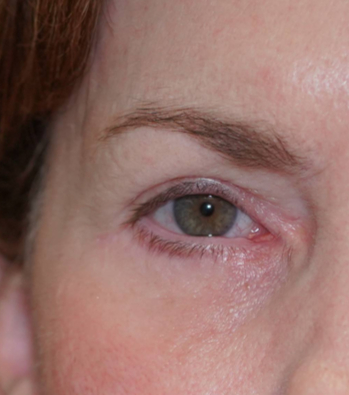
Before
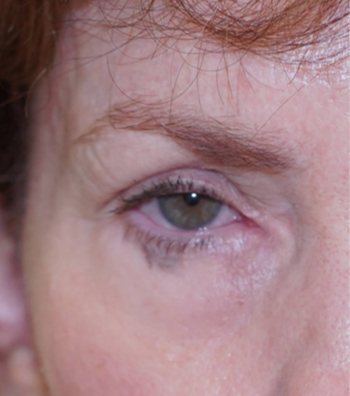
Surgery involves lifting and opening of the upper eyelid and is typically performed on the back surface of the eyelid with a small incision and no visible external scar.
Dr. Mancini is considered by many one of the world's authorities on ptosis surgery. He has pioneered many techniques that have been published in the medical literature and he has lectured around the world describing and teaching his techniques. His posterior approach sutureless surgery can be titrated to achieve the desired level of eyelid elevation and can be performed under local anesthesia in just minutes.
Example : 63yo female s/p upper eyelid micro-ptosis repair and upper and lower blepharoplasty
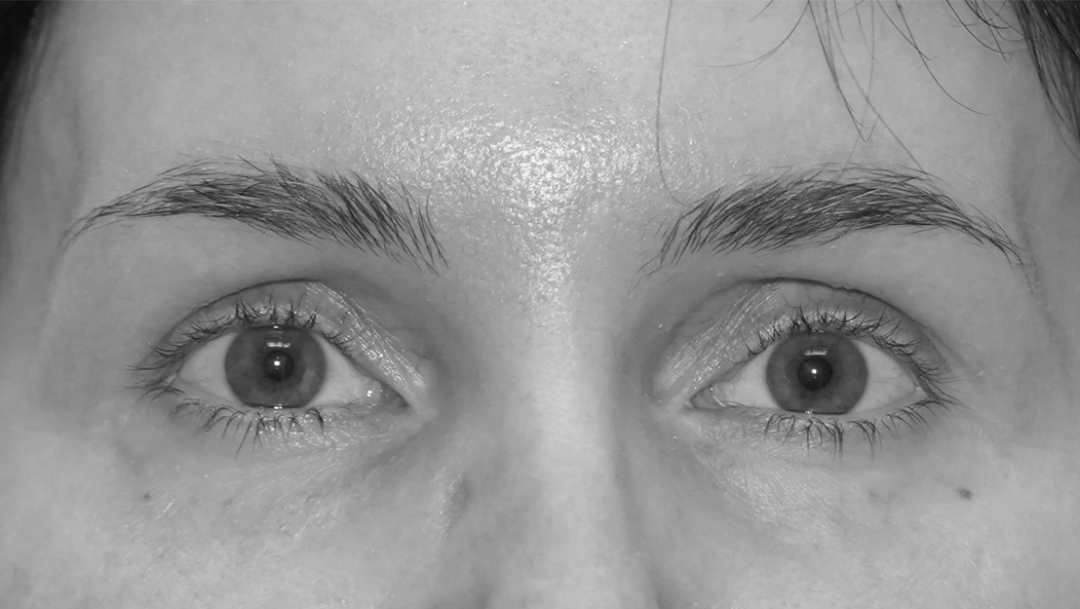
Ptosis Repair Surgery
Ptosis repair may be appropriate for individuals who notice one or both upper eyelids appear lower than normal, sometimes covering the pupil or creating asymmetry between the eyes. Patients may report eye fatigue, brow strain, difficulty reading, or frequent squinting. In many cases, ptosis worsens with age but may also be congenital or the result of trauma, previous surgery, or neurologic conditions.
Ideal candidates are in good general health and may have been referred for evaluation after failed visual field testing or noted asymmetry. Dr. Mancini performs a comprehensive examination, including eyelid measurements, muscle function tests, and visual field assessments when needed, to determine the most appropriate surgical plan.
Ptosis is drooping of the upper eyelid, often caused by weakening or stretching of the eyelid lifting mechanism. It can affect one or both eyes and may contribute to visual obstruction, eyelid fatigue, asymmetry, or a tired appearance.
A comprehensive examination by Dr. Mancini can determine whether drooping is caused by ptosis, excess skin, brow descent, or a combination of these concerns. Distinguishing between these causes is important when planning effective eyelid surgery.
Yes. Significant upper eyelid ptosis can partially block the visual field and make activities such as reading, driving, or using a computer more difficult. An evaluation can determine whether eyelid position is contributing to your visual symptoms.
Ptosis repair may be functional, cosmetic, or both. In many cases it is considered medically necessary when drooping affects the visual field, while other patients seek correction for asymmetry, eyelid fatigue, or appearance.
Certain patients are candidates for Dr. Mancini’s conjunctiva-sparing posterior approach, which corrects ptosis without an external skin incision. The appropriate technique depends on eyelid anatomy, levator function, the amount of drooping, and your individual goals.
Most ptosis repair procedures take approximately 30 to 60 minutes, depending on the complexity and whether eyelid surgery is performed at the same time. Your expected procedure time will be reviewed during consultation.
Most patients return to normal activities within 1 to 2 weeks, although swelling and eyelid position may continue to refine over time. Dr. Mancini will provide detailed instructions and follow-up to monitor healing and symmetry.
Ptosis repair results are generally long-lasting, although aging, changes in the eyelid lifting mechanism, and other factors may influence eyelid position over time. Long-term results vary by the cause of ptosis and the technique used.
With dual board-certification in ophthalmology and oculoplastic surgery, Dr. Mancini brings refined surgical expertise and an aesthetic sensibility to eyelid and facial rejuvenation. Serving Beverly Hills, Los Angeles, and Shanghai, his practice combines advanced techniques, global experience, and a commitment to natural-looking, sustainable results.
Request to Book
Contact Us
Learn more about how Dr. Mancini can help you achieve refined, natural beauty.