Clinical expansion
Clinical context for a curved surgical approach to selected nasolacrimal procedures.
The tear drainage system has narrow, changing anatomy. Access and instrument direction can matter when treating obstruction or performing reconstruction.
Who may read this information: Patients with persistent tearing or lacrimal drainage disease who need specialist testing and treatment planning.
How the technique is considered: The J-curve concept uses a deliberate curved path to navigate the nasolacrimal system. Its use depends on the obstruction, anatomy, and procedure being performed.
Navigating the lacrimal system
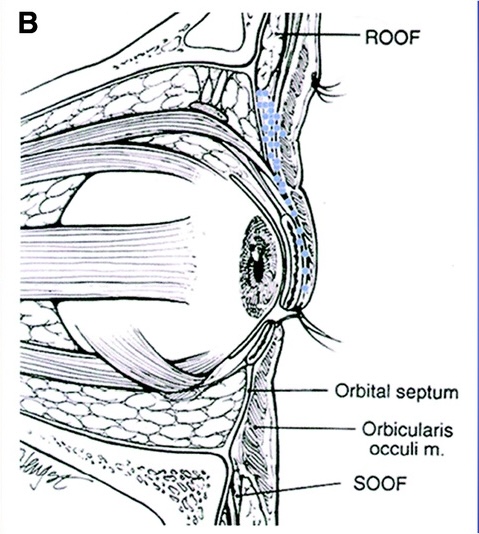
The punctum, canaliculi, lacrimal sac, and nasolacrimal duct form a continuous pathway. A change in one segment can influence treatment in another.
The J-curve concept focuses on respecting the direction and curvature of that pathway.
Individualized technique
The approach is selected after testing and is explained together with alternatives, stenting, and the possibility of persistent tearing.
Potential benefits and limitations
- Provides a way to think about access through changing anatomy
- Supports anatomy-aware lacrimal surgery
- Can be incorporated into individualized procedural planning
Limitations: A technique concept cannot overcome every obstruction, scar, or anatomic variation. Diagnosis and the selected operation remain more important than a named maneuver.
Recovery: Recovery varies by the lacrimal procedure and may include temporary tearing, swelling, nasal symptoms, or stent care.
Consultation: Testing may include irrigation, probing, nasal assessment, and review of prior lacrimal procedures.
Questions patients ask
Frequently asked questions
Will lacrimal surgery always stop tearing?
No. Tearing may have more than one cause, and symptoms can persist when ocular surface irritation or eyelid position also contributes.